
Vascular Surgery in Oncology
Vascular surgery plays a crucial role in the field of oncology, addressing the vascular complications associated with cancer and its treatment. Cancer can impact blood vessels directly or indirectly, leading to conditions such as tumor invasion, vascular compression, thrombosis, and postoperative vascular complications. Vascular surgeons of Center for Vascular Medicine – Silver Spring collaborate closely with oncologists and other specialists to manage these complex vascular issues and improve the overall care of cancer patients. This article explores the various aspects of vascular surgery in oncology.
- Tumor-Related Vascular Conditions:
- Tumor Invasion: Some cancers can directly invade blood vessels, leading to vascular occlusion, bleeding, or aneurysm formation. Vascular surgery may be required to remove or reconstruct affected vessels while excising the tumor.
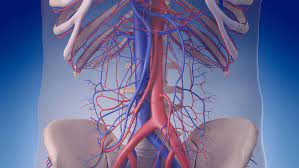
- Vascular Compression: Tumors located near major blood vessels can compress them, causing impaired blood flow. Surgical intervention may involve tumor debulking, stent placement, or vessel reconstruction.
- Tumor Invasion: Some cancers can directly invade blood vessels, leading to vascular occlusion, bleeding, or aneurysm formation. Vascular surgery may be required to remove or reconstruct affected vessels while excising the tumor.
- Venous Thromboembolism (VTE):
- Prevention: Cancer patients are at an increased risk of VTE. Vascular surgeons collaborate with oncologists to develop prophylactic strategies, which may include the use of anticoagulants, compression stockings, or inferior vena cava (IVC) filters.
- Treatment: In cases of acute VTE, vascular surgery may be needed to remove thrombi or perform thrombectomy, especially when there is a risk of limb-threatening or life-threatening complications.
- Oncologic Resections:
- Vascular Reconstruction: During oncologic surgeries, vascular surgeons are often called upon to perform vascular reconstruction to restore blood flow. This may involve bypass grafts or vessel repairs to ensure tissue viability.
- Free Flap Reconstruction: In cases where cancer necessitates extensive tissue removal, vascular surgeons can assist in free flap procedures, which involve transferring healthy tissue with its own vascular supply to reconstruct the surgical defect.
Center for Vascular Medicine – Silver Spring
10750 Columbia Pike Ste 605, Silver Spring, Maryland, 20901
(301) 396-7618
Postoperative Complications:
-
- Vascular Anastomotic Complications: After cancer surgery, complications such as anastomotic leaks or vascular graft thrombosis can occur. Vascular surgeons manage these complications through interventions such as revision surgery or angioplasty.
- Lymphedema Management: Cancer-related lymph node dissection can lead to lymphedema, causing swelling and discomfort. Vascular surgeons may employ lymphaticovenous anastomosis (LVA) procedures to manage this condition.
- Interventional Oncology:
- Transarterial Chemoembolization (TACE): Vascular surgeons, often working with interventional radiologists, perform TACE procedures to deliver chemotherapy directly to liver tumors via the hepatic artery while blocking blood flow to the tumor.
- Radioembolization (Yttrium-90): Yttrium-90 microspheres can be injected into hepatic arteries to selectively irradiate liver tumors while minimizing radiation exposure to healthy tissue.
- Palliative Care:
- Vascular surgeons may play a role in palliative care for cancer patients by relieving symptoms caused by vascular complications, such as bleeding or pain, through minimally invasive or surgical interventions.
- Research and Collaboration:
- Vascular surgeons often engage in research to advance the understanding and treatment of vascular complications in oncology. Collaboration with oncologists, radiologists, and other specialists is essential to providing comprehensive care.
Vascular surgery plays a vital role in addressing the complex vascular challenges that cancer patients may encounter during the course of their disease and treatment. The collaborative efforts of vascular surgeons, oncologists, and multidisciplinary teams are critical in improving the quality of care, managing vascular complications, and enhancing the overall well-being of individuals affected by cancer. With ongoing advancements in both surgical techniques and oncological therapies, the field of vascular surgery in oncology continues to evolve, offering new avenues for treatment and improved patient outcomes.