
Preventing Dental Issues: The Power of Proactive Dental Care
Your smile is a reflection of your overall health and well-being, and proactive dental care is the key to maintaining it. Instead of merely addressing dental issues as they arise, adopting a proactive approach can help you prevent problems with General Dentists Chapel Hill NC before they start. In this article, we explore the power of proactive dental care and provide valuable tips to safeguard your oral health.
- Regular Dental Check-ups: The Foundation of Prevention
Regular dental check-ups are not just for treating existing problems; they are vital for preventing issues from developing. Dentists recommend visiting at least every six months for a thorough examination and professional cleaning. During these visits, your dentist can spot early signs of dental problems, such as cavities or gum disease, and take steps to address them before they worsen.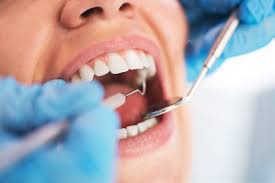
- Effective Oral Hygiene Practices
Proper oral hygiene is the cornerstone of proactive dental care. Follow these practices diligently:
- Brush Twice a Day: Use a fluoride toothpaste and a soft-bristle toothbrush to brush your teeth for at least two minutes each time. Don’t forget to brush your tongue to remove bacteria that can cause bad breath.
- Floss Daily: Flossing removes food particles and plaque from between your teeth and along the gumline, reducing the risk of cavities and gum disease.
- Rinse with Mouthwash: Using an antimicrobial or fluoride mouthwash can help kill bacteria and strengthen tooth enamel. Consult your dentist for the right mouthwash for your needs.
- Watch Your Diet
Your diet plays a significant role in your oral health. Minimize your consumption of sugary and acidic foods and drinks, as they can contribute to tooth decay and enamel erosion. Instead, focus on these dental-friendly foods:
- Calcium-Rich Foods: Dairy products, leafy greens, and fortified foods strengthen tooth enamel.
- Fiber-Rich Fruits and Vegetables: Foods like apples, carrots, and celery help clean teeth as you chew.
- Water: Drinking water throughout the day helps rinse away food debris and bacteria, preventing dry mouth and bad breath.
- Preventive Treatments
Dental professionals offer various preventive treatments to protect your teeth and gums, including:
- Fluoride Treatments: Fluoride strengthens tooth enamel, making it more resistant to decay. Your dentist may recommend fluoride treatments or supplements if you’re at risk of cavities.
- Dental Sealants: Sealants are thin, protective coatings applied to the chewing surfaces of molars to prevent cavities in hard-to-reach areas.
- Regular Cleanings: Professional cleanings remove plaque and tartar buildup, reducing the risk of gum disease and tooth decay.
- Customized Oral Health Plans
Your dental needs are unique, so work with your dentist to create a personalized oral health plan. Whether it’s addressing specific concerns like cavities or gum disease or discussing cosmetic improvements, a tailored approach ensures your dental goals are met.
- Dental Education and Awareness
Proactive dental care is not just about receiving treatments; it’s also about understanding how to care for your oral health at home. Dental practitioners educate patients about proper oral hygiene practices and provide guidance on maintaining a healthy smile between visits.
In conclusion, proactive dental care empowers you to take control of your oral health and prevent dental issues before they become serious problems. By following a regular dental check-up schedule, practicing effective oral hygiene, watching your diet, and considering preventive treatments, you can enjoy a lifetime of good oral health and a radiant smile. Remember that prevention is not only more cost-effective but also less painful and more convenient than treating dental problems once they occur.