
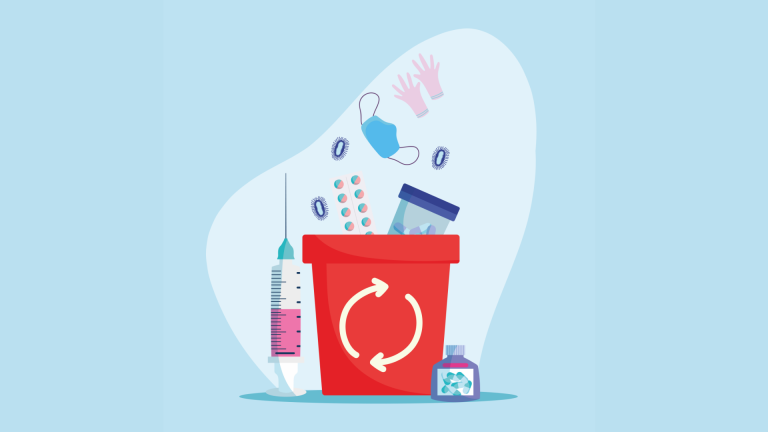
Medical waste management is a critical aspect of healthcare facilities that plays a significant role in ensuring public safety and environmental sustainability. With the increasing advancements in medical technology and healthcare services, the generation of medical waste has also witnessed a proportional rise. It comprises various materials such as blood-soiled bandages, surgical gloves, sharps, pathological waste, broken glass, expired medications, and pharmaceutical waste. Proper management and disposal of medical waste are essential to prevent the spread of infections, protect healthcare workers and the general public, and minimize the impact on the environment.
The management of medical waste involves a comprehensive system that includes segregation, collection, storage, transportation, treatment, and final disposal. It requires adherence to strict protocols and regulations to ensure compliance with safety standards and prevent any potential hazards. The World Health Organization (WHO) has outlined guidelines for managing medical waste effectively and minimizing its risks. Additionally, healthcare facilities should implement appropriate training programs for staff members regarding waste segregation and handling techniques. Furthermore, innovative technologies and practices like autoclaving, incineration, microwave treatment, chemical disinfection, and landfilling can be employed depending on the type of waste to ensure safe disposal without causing harm to human health or the environment.
The Importance of Proper Medical Waste Management
Proper medical waste management, including the safe disposal of biomedical waste, is crucial for maintaining public safety and environmental sustainability in healthcare facilities. With the advancements in medical technology and healthcare services, there has been a significant increase in the generation of medical waste. This waste includes various materials such as blood-soiled bandages, sharps, and expired medications.
The effective management of medical waste involves a comprehensive system that encompasses segregation, collection, storage, transportation, treatment, and final disposal. Adherence to strict protocols and regulations is necessary to ensure compliance with safety standards and prevent potential hazards. Implementing appropriate training programs for staff members on waste segregation and handling techniques is essential.
One example of a company that specializes in medical waste disposal is Medical waste disposal Chicago. They provide professional services that ensure the safe and environmentally friendly disposal of medical waste in the Chicago area. Their expertise in this field helps healthcare facilities in Chicago adhere to proper medical waste management practices.
Innovative Technologies for Safe Medical Waste Disposal
With the increasing concern for public safety and environmental sustainability, innovative technologies and practices have been developed for the safe disposal of medical waste. These include autoclaving, incineration, microwave treatment, chemical disinfection, and landfilling.
Autoclaving is a process that uses high-pressure steam to sterilize medical waste before disposal. It effectively kills microorganisms, making the waste safe for landfilling or other methods of final disposal. Incineration involves the combustion of medical waste at high temperatures, reducing it to ash. Microwave treatment utilizes electromagnetic waves to heat and disinfect the waste. Chemical disinfection involves the use of disinfectants to treat the waste. Landfilling is the controlled burial of medical waste in designated areas.
By employing these innovative technologies and practices, healthcare facilities can ensure the safe disposal of medical waste without causing harm to human health or the environment. Companies like Medical waste disposal Chicago play a vital role in implementing these technologies and practices in Chicago, contributing to the overall management of medical waste in the area.
In conclusion, proper medical waste management is crucial for maintaining public safety and environmental sustainability in healthcare facilities. The generation of medical waste has increased with advancements in technology and healthcare services. Medical waste includes various materials, and its management involves segregation, collection, storage, transportation, treatment, and final disposal. Adherence to protocols and regulations is necessary, along with training programs for staff members. Innovative technologies such as autoclaving, incineration, microwave treatment, chemical disinfection, and landfilling ensure safe disposal without harm to human health or the environment. Companies like Medical Waste Disposal Chicago specialize in implementing these technologies, contributing to effective medical waste management in the region.