
Modernizing History: Home Remodeling Achievements
Home remodeling is a dynamic and creative process that allows homeowners to modernize their living spaces while preserving the historical and architectural significance of their homes. In this article, we’ll find out more and explore the achievements of modernizing history through thoughtful home remodeling.
Honoring the Past
Historical homes often carry a rich legacy, with unique architectural details, period-specific designs, and stories of the past. Modernizing these homes is a delicate balance between preserving their historical value and bringing them into the 21st century.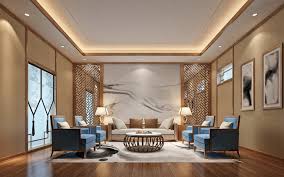
Architectural Restoration
One of the key achievements in modernizing history is the restoration of architectural elements. This involves meticulously preserving or recreating details like ornate moldings, intricate woodwork, and stained glass windows. Skilled craftsmen play a crucial role in this process, ensuring that the historical character of the home is retained.
Period-Appropriate Updates
Modernization doesn’t mean discarding the past. Homeowners and designers work together to integrate period-appropriate updates into historical homes. For example, kitchens and bathrooms can be equipped with modern conveniences while maintaining a timeless aesthetic that matches the home’s original style.
Heritage-Inspired Color Palettes
Choosing color palettes inspired by the home’s historical era is another achievement. These color schemes evoke a sense of nostalgia and authenticity, creating a harmonious connection between the past and present.
Embracing Modern Comfort and Efficiency
While preserving history is important, modernizing history also means incorporating contemporary comforts, conveniences, and energy-efficient solutions.
Open Layouts
Many historical homes have segmented layouts that don’t align with modern lifestyles. Achieving open floor plans through strategic renovations creates a sense of spaciousness and promotes interaction among family members.
Energy Efficiency
Updating historical homes with energy-efficient windows, insulation, and HVAC systems is a significant achievement. These improvements enhance comfort while reducing utility bills and the home’s environmental footprint.
Smart Technologies
The integration of smart home technologies into historical homes is a testament to modernization. Smart thermostats, lighting systems, and security features not only enhance convenience but also offer greater control and energy efficiency.
Respecting Sustainability
Modernizing history also involves a commitment to sustainability and responsible living.
Salvaged Materials
Using salvaged and reclaimed materials is a sustainable achievement. These materials not only add character but also reduce the demand for new resources.
Solar Power
Incorporating solar panels into historical homes is a transformative sustainability achievement. Solar power not only reduces electricity costs but also contributes to a cleaner environment.
Achieving a Harmonious Blend
The ultimate achievement in modernizing history is achieving a harmonious blend of the old and new, creating a home that seamlessly combines historical charm with modern comfort.
Timeless Appeal
The remodeled historical home exudes timeless appeal, making it a space where past and present coexist gracefully. It becomes a sanctuary where homeowners can connect with history while enjoying modern luxuries.
A Living Legacy
Modernizing history isn’t just about the homeowners; it’s about preserving a living legacy for future generations. It ensures that the historical significance of the home continues to be appreciated and cherished.
Conclusion
Modernizing history through home remodeling is a remarkable achievement that requires careful planning, skilled craftsmanship, and a deep appreciation for the past. It’s a celebration of the architectural and cultural heritage of a home, while also embracing the comfort, efficiency, and innovation of the present and future. In the end, modernizing history is a testament to the enduring value of historical homes and the commitment to creating living spaces that honor both tradition and progress.