Elevate Your Confidence: The Impact of Quality Hair Styling Tools

Elevate Your Confidence: The Impact of Quality Hair Styling Tools

Quality hair styling tools can have a significant impact on your confidence and overall appearance. When you use high-quality tools, you’re not only enhancing the aesthetics of your hair but also taking care of its health. Here’s how investing in quality tools can elevate your confidence:

  1. Professional Results: Quality tools are designed to replicate the results you’d get from a professional salon. Whether it’s sleek straight hair, bouncy curls, or intricate updos, achieving salon-like results at home boosts your confidence.
  2. Efficiency: High-quality tools such as Hair Detangling Brush are often more efficient, reducing styling time and minimizing the risk of hair damage. This efficiency can save you time and frustration while ensuring consistent results.

  1. Healthier Hair: Premium tools are engineered with advanced technologies that minimize heat damage, prevent frizz, and promote hair health. When your hair looks and feels healthy, you’re more likely to feel confident.
  2. Versatility: Quality tools come with various attachments, settings, and features that allow you to experiment with different styles. This versatility empowers you to express your creativity and try new looks, boosting your self-assurance.
  3. Consistency: Cheap or low-quality tools may provide uneven results or cause your hair to frizz or break. Quality tools provide consistent performance, leading to more predictable and satisfactory outcomes.
  4. Ease of Use: High-quality tools are designed with user-friendly features, ergonomic grips, and intuitive controls. This ease of use can make your styling routine more enjoyable and less stressful.
  5. Longevity: Premium tools are built to last, which means you’ll have reliable styling companions for years. Knowing that your tools are dependable can increase your confidence in achieving your desired look.
  6. Personal Investment: Investing in quality tools shows that you value yourself and your appearance. This personal investment can positively impact your self-esteem and overall confidence.
  7. Compliments and Attention: When you achieve salon-quality results at home, you’re likely to receive compliments and attention from others. This positive feedback reinforces your confidence in your appearance.
  8. Empowerment: Mastering the use of quality tools allows you to take control of your style. The empowerment that comes from being able to create a range of looks can boost your self-confidence.
  9. Special Occasions: For important events or special occasions, having quality tools ensures that your hair looks its best, boosting your confidence during these moments.
  10. Self-Care Ritual: Using high-quality tools can transform your hairstyling routine into a self-care ritual. Taking the time to pamper yourself can positively impact your overall mood and confidence.

Remember that confidence comes from feeling comfortable and authentic in your own skin. Quality hair styling tools can enhance your appearance, but true confidence also stems from self-acceptance, a positive mindset, and embracing your uniqueness. When you combine these elements with the benefits of quality tools, you’ll radiate confidence in every hairstyle you create.

Crafting Your Identity: Avatars and Customization in Online Games

In the realm of online gaming, avatars are more than just virtual representations; they are extensions of players’ identities. The ability to customize avatars and create unique personas has become a defining feature of modern online games. Engaging in online gaming on fun888 can be both a mental and emotional workout. This article delves into the significance of avatars and customization in online games, exploring how these elements empower players to express themselves, forge connections, and navigate digital worlds in a deeply personal way.

The Power of Avatars

From Pixels to Personalities

Avatars transform players from passive observers to active participants in virtual worlds. A well-designed avatar transcends mere pixels, representing the player’s aspirations, fantasies, and self-expression.

Emotional Bonds

Players form emotional attachments to their avatars. Whether it’s through customization options, achievements, or shared experiences, avatars become vessels for memories and achievements, strengthening the bond between player and digital self.

An Introduction to Online Gaming | Galactic Warrior Empire

The Art of Customization

An Expression of Identity

Customization empowers players to craft avatars that reflect their personalities and ideals. From appearance to clothing and accessories, every choice contributes to the narrative players wish to convey.

Freedom of Creativity

Online games offer a canvas for creativity. Whether designing a fierce warrior, a whimsical creature, or an elegant explorer, customization allows players to realize their artistic visions.

Forging Connections

Nonverbal Communication

Avatars become vehicles for nonverbal communication. Customized appearances can convey information about a player’s preferred playstyle, affiliations, and even their mood.

Shared Experiences

Group activities and events become more meaningful when players see their avatars standing side by side. Avatars bridge the gap between players, fostering a sense of camaraderie and shared accomplishment.

Narratives Within Avatars

Stories to Tell

Avatars tell stories—both imagined and real. Players may create avatars inspired by their favorite characters or design original personas that carry tales of epic journeys and personal growth.

Role-Playing Realms

Role-playing games take avatar narratives to the next level. Players assume the roles of characters, developing personalities and backstories that intertwine with the game’s overarching narrative.

Identity Evolution

Evolving Avatars

As players progress through games, avatars evolve alongside them. Armor upgrades, cosmetic enhancements, and newfound abilities reflect the growth of both character and player.

Permanence in a Changing World

In ever-changing virtual worlds, avatars remain constants. While landscapes transform and challenges shift, avatars provide a sense of continuity and familiarity.

Ethical and Social Considerations

Cultural Sensitivity

Customization options should consider cultural diversity, avoiding stereotypes and offensive elements. Inclusivity ensures that all players can express themselves comfortably.

Online Identity and Reality

Avatars blur the line between online identity and reality. Players should approach customization responsibly, mindful of the impacts of their choices on themselves and others.

Conclusion

In the multifaceted world of online gaming, avatars and customization transcend their visual essence. They encapsulate players’ dreams, personalities, and connections in virtual form. Avatars empower players to navigate digital landscapes as extensions of themselves, forging narratives that parallel their real-life journeys. As the world of online gaming continues to evolve, avatars will remain steadfast companions, reflecting the ever-changing identities of those who wield them.

Unveiling the Mind-Body Connection: Medical Cannabis and Mental Health

Unveiling the Mind-Body Connection: Medical Cannabis and Mental Health

The intricate relationship between the mind and body has long been recognized in healthcare. Now, medical cannabis is shedding light on this connection, offering a potential bridge between mental and physical well-being. This article delves into the evolving understanding of the mind-body connection in the context of mental health and explores how Medical Cannabis may play a role in promoting psychological well-being.

The Endocannabinoid System and Mental Health

At the heart of the mind-body connection is the endocannabinoid system (ECS), which regulates physiological processes and influences mood, stress response, and emotions. Disruptions in the ECS are linked to various mental health disorders, prompting researchers to explore how medical cannabis, with its interaction with the ECS, might offer therapeutic benefits.

Cannabis and Anxiety

  1. Anxiolytic Effects: Some cannabis strains, particularly those high in CBD, have shown potential in reducing anxiety and promoting relaxation. CBD interacts with serotonin receptors, which play a key role in mood regulation.
  2. Dosage Sensitivity: The relationship between cannabis and anxiety is dose-dependent. While low to moderate doses of CBD may alleviate anxiety, high doses of THC can exacerbate it. Finding the right balance is crucial.

Cannabis and Depression

  1. Neurogenesis: CBD’s impact on neurogenesis, the growth of new neurons, has intrigued researchers studying depression. Promoting neural regeneration may contribute to improved mood and cognitive function.
  2. Mood Modulation: THC’s interaction with the ECS may influence mood by affecting neurotransmitter levels. However, the psychoactive effects of THC raise concerns about its impact on certain individuals.

Cannabis and PTSD

  1. Fear Extinction: CBD’s potential to facilitate fear extinction has piqued interest in its application for post-traumatic stress disorder (PTSD) treatment. Fear extinction is a fundamental process in overcoming traumatic memories.
  2. Sleep Improvement: Both CBD and THC have been explored for their effects on sleep, which is often disrupted in individuals with PTSD. Cannabis may help regulate sleep patterns and reduce nightmares.

Considerations and Caution

  1. Individual Variability: Responses to medical cannabis vary widely among individuals. What works well for one person may not be suitable for another, particularly in terms of strain choice and dosages.
  2. Underlying Conditions: Medical cannabis should be approached with caution in individuals with a history of psychosis, as high doses of THC can potentially trigger or worsen psychotic symptoms.
  3. Consultation with Professionals: Individuals considering medical cannabis for mental health reasons should consult mental health professionals or healthcare providers who are knowledgeable about its potential benefits and risks.

The mind-body connection is a complex interplay that influences both mental and physical health. Medical cannabis, with its potential to interact with the endocannabinoid system, has opened up new possibilities for addressing mental health concerns. However, a cautious and informed approach is essential, considering individual variations, potential side effects, and the need for professional guidance. As research deepens and regulations evolve, medical cannabis may continue to contribute to our understanding of the mind-body connection and offer innovative solutions for individuals seeking improved mental well-being.

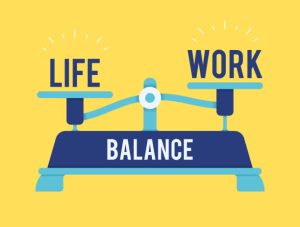
Work-Life Balance for Men: Prioritizing Health in a Busy World

Work-Life Balance for Men: Prioritizing Health in a Busy World

In today’s fast-paced society, achieving a healthy work-life balance can be a challenge, especially for men who often juggle multiple responsibilities and commitments. However, finding equilibrium between work, personal life, and health is essential for overall well-being and long-term success. Here are strategies for men to prioritize their health and maintain a balanced life:

  1. Set Boundaries:

Establish clear boundaries between work and personal time. Define specific work hours and make an effort to disconnect from work-related tasks premature ejaculation medicine when you’re off the clock. This creates space for relaxation and family time.

  1. Plan Your Schedule:

Organize your days by creating a structured schedule. Allocate time for work, exercise, social activities, family, and self-care. A well-organized schedule ensures you make time for what truly matters.

  1. Delegate and Collaborate:

Don’t hesitate to delegate tasks at work or share responsibilities with colleagues. Collaboration can help lighten your workload and allow you to focus on tasks that align with your strengths.

  1. Prioritize Self-Care:

Self-care is not selfish; it’s crucial for maintaining your physical and mental health. Make time for regular exercise, healthy eating, adequate sleep, and relaxation activities that recharge your mind and body.

  1. Unplug Regularly:

Designate times to disconnect from technology. Whether it’s during meals, before bed, or on weekends, setting aside tech-free periods allows you to be present in the moment and reduce digital stress.

  1. Schedule Downtime:

Just as you schedule work meetings, schedule downtime for yourself. Whether it’s reading a book, taking a walk, or engaging in a hobby, downtime rejuvenates your mind and helps reduce stress.

  1. Practice Mindfulness:

Mindfulness techniques, such as meditation and deep breathing, can help you stay present and reduce anxiety. Incorporate these practices into your daily routine to manage stress effectively.

  1. Learn to Say No:

Saying yes to every request can lead to overcommitment and burnout. Learn to say no when necessary and prioritize activities that align with your values and goals.

  1. Quality over Quantity:

Focus on the quality of your interactions and experiences rather than the quantity. Meaningful conversations, quality time with loved ones, and purposeful work can bring greater satisfaction.

  1. Plan Family Time:

Spend quality time with your family and loved ones. Engage in activities that strengthen your bonds and create lasting memories. Family time contributes to your overall happiness.

  1. Stay Active:

Regular physical activity is essential for maintaining health. Find activities you enjoy, whether it’s going to the gym, playing a sport, or simply taking regular walks.

  1. Seek Support:

Don’t hesitate to seek support from family, friends, or professionals. Communicate your challenges and seek advice or assistance when needed.

  1. Regular Check-Ins:

Regularly evaluate your work-life balance. Are you feeling overwhelmed? Are you neglecting your health? Regular check-ins can help you make necessary adjustments.

  1. Embrace Flexibility:

Life is dynamic, and there will be times when work or personal commitments demand more attention. Embrace flexibility in your approach and find ways to adapt without sacrificing your health.

Final Thoughts:

Prioritizing your health while maintaining a balanced work-life dynamic is crucial for long-term happiness and well-being. By setting boundaries, practicing self-care, nurturing relationships, and embracing flexibility, men can create a fulfilling and meaningful life that includes both professional success and personal health. Remember that achieving balance is an ongoing journey that requires self-awareness and continuous effort.

Cracking the Code of Net Marketing: Strategies for Results

Cracking the Code of Net Marketing: Strategies for Results

Net marketing is a dynamic puzzle with many pieces that, when strategically assembled, create a powerful picture of success. To crack the code of net marketing and achieve impressive results, businesses must employ a mix of strategies that align with their goals and audience. Delve into these strategies that can unlock the full potential of your net marketing efforts.

  1. Define Clear Objectives

Set clear and measurable objectives for your net marketing campaigns. Whether it’s increasing website traffic, generating leads, or boosting sales, split testing guide having defined goals guides your strategies.

  1. Audience Insights and Segmentation

Comprehensive audience research allows you to understand your audience’s preferences, behaviors, and pain points. Segment your audience to tailor your messages and campaigns effectively.

  1. Content Excellence

Create high-quality, valuable content that resonates with your audience. Diverse content formats such as blog posts, videos, infographics, and eBooks provide different ways to engage your audience.

  1. Search Engine Optimization (SEO)

Optimize your content and website for search engines. Keyword research, on-page optimization, and backlink building help improve your organic visibility and drive targeted traffic.

  1. Social Media Strategy

Develop a comprehensive social media strategy that aligns with your brand identity and audience preferences. Regular posting, engagement with followers, and strategic use of hashtags can amplify your reach.

  1. Email Marketing Campaigns

Build and nurture your email list to stay connected with your audience. Craft personalized and valuable email content that fosters engagement and loyalty.

  1. Pay-Per-Click (PPC) Advertising

PPC advertising allows you to reach your target audience with precision. Platforms like Google Ads and social media offer targeted advertising options to drive immediate traffic and conversions.

  1. Conversion Rate Optimization (CRO)

Optimize your website and landing pages to guide visitors towards desired actions. A/B testing, clear calls-to-action, and user-friendly design enhance your conversion rates.

  1. Data-Driven Decision Making

Monitor key performance indicators (KPIs) and analyze data to inform your strategies. Data-driven insights help you understand what’s working and where adjustments are needed.

  1. Visual Storytelling

Utilize visual elements to tell your brand’s story. Images, videos, and infographics captivate and resonate with audiences, conveying messages in memorable ways.

  1. Personalization and Customer Journey Mapping

Create personalized experiences based on user behavior and preferences. Map out the customer journey to deliver relevant content and interactions at each touchpoint.

  1. Influencer Collaborations

Partner with influencers whose audience aligns with your target demographic. Influencers can provide authentic endorsements and introduce your brand to new audiences.

  1. Adaptive Strategy Development

The digital landscape is ever-changing. Develop flexible strategies that can adapt to new trends, emerging technologies, and shifts in consumer behavior.

  1. Feedback and Continuous Improvement

Encourage feedback from customers and adapt your strategies based on their input. Continuous improvement ensures your net marketing efforts stay relevant and effective.

  1. Ethical and Transparent Practices

Honesty and transparency build trust. Be clear about your brand values, data usage, and business practices to foster credibility and loyalty.

Cracking the code of net marketing requires a strategic approach that blends creativity, audience understanding, and data-driven decision-making. By aligning your objectives with these proven strategies, you can unlock remarkable results in the digital landscape. The key is to constantly refine and adapt your net marketing efforts to stay ahead of the curve and create a meaningful impact on your target audience.

Interior Design Symmetry: Creating Balance and Harmony

Interior Design Symmetry: Creating Balance and Harmony

Symmetry in interior design is a timeless principle that brings a sense of order, balance, and visual harmony to spaces. Whether in grand architectural structures or small decorative elements, symmetry has the power to create a calming and aesthetically pleasing environment. Let’s delve into the art of incorporating symmetry in interior design and how it contributes to the creation of balanced and harmonious spaces.

  1. The Essence of Symmetry

Symmetry is the arrangement of elements in a way that mirrors second hand patio furniture each other along a central axis. It’s a visual balance that appeals to our innate sense of order and proportion. Symmetry can be achieved through the arrangement of furniture, architectural elements, patterns, and even color schemes.

  1. Architectural Symmetry

In architecture, symmetrical designs are often associated with classical and neoclassical styles. Buildings like the Parthenon and the Taj Mahal are prime examples of how symmetry can create a sense of grandeur and elegance. Symmetrical facades, balanced proportions, and perfectly aligned columns contribute to the visual impact of these structures.

  1. Symmetrical Layouts

In interior design, symmetry can be applied to furniture placement and layout. Placing identical or similar furniture pieces on either side of a central axis, such as a fireplace or a doorway, creates a balanced and cohesive look. This approach works well in formal living rooms and dining spaces.

  1. Focal Points and Symmetry

Symmetry can enhance the impact of focal points. For instance, placing a piece of artwork or a statement mirror above a fireplace and flanking it with identical sconces creates a sense of equilibrium that draws the eye toward the center.

  1. Color and Pattern Symmetry

Symmetry can extend to color and pattern. Repeating patterns or colors on opposite sides of a room fosters a sense of rhythm and unity. This is particularly effective in creating cohesive design schemes.

  1. Symmetrical Accessories

In smaller details, such as accessorizing shelves or arranging decorative items on a table, symmetry brings a sense of order and sophistication. Pairing identical items or grouping objects in balanced arrangements creates an aesthetically pleasing display.

  1. Visual Calmness and Serenity

Symmetry has an innate ability to create a sense of calmness and serenity. Balanced spaces feel organized and composed, promoting a feeling of tranquility and comfort.

  1. The Rule of Thirds

While symmetry is powerful, it’s important to remember the rule of thirds—a guideline that suggests breaking strict symmetry to create more dynamic compositions. This involves dividing a space into thirds and placing objects off-center to create visual interest.

  1. Creating Illusions

Symmetry can manipulate perceptions of space. Placing mirrors on opposite walls can make a room appear larger by reflecting light and creating the illusion of depth.

  1. Modern Interpretations

While symmetry is often associated with traditional styles, it can be incorporated into modern interiors as well. Clean lines, minimalist aesthetics, and paired-down designs can still maintain a sense of balance and harmony through symmetrical arrangements.

Symmetry is the art of finding equilibrium in design. Whether through architectural layouts, furniture arrangements, or decorative details, it’s a tool that creates a sense of order, stability, and visual delight. While not the only approach to interior design, symmetry offers a timeless way to achieve harmony and balance that resonates with our innate sense of proportion. It’s a reminder that in the world of design, balance is not just a visual concept—it’s a reflection of our desire for order and beauty in our surroundings.

Green Card Interview Success: Expert Strategies and Insights

Green Card Interview Success: Expert Strategies and Insights

Securing a green card in the United States is a significant achievement, and the green card interview is a pivotal moment in this journey. To help you navigate this critical step with confidence, here are expert strategies and insights to ensure your success:

1. Early Preparation is Key: Begin preparing for your marriage green card questions as soon as you receive the interview notice. This will give you ample time to gather necessary documents, review your application, and practice your interview skills.

2. Know Your Case Inside Out: Familiarize yourself with every detail of your green card application. Be ready to explain any inconsistencies, changes, or updates since submitting your application. A well-prepared applicant shows credibility.

3. Document Organization: Organize all required documents in a clear and accessible manner. Arrange them according to the order in which they will likely be requested during the interview. This organization demonstrates professionalism and preparedness.

4. Practice Effective Communication: During the interview, clearly articulate your answers. Practice speaking at a comfortable pace, avoiding long pauses or rushed responses. Emphasize your points and stay on topic.

5. Understand the Interviewer’s Perspective: Immigration officers are seeking to confirm your eligibility and intentions. Understand that they are not adversaries; they’re evaluating your application based on established criteria.

6. Emphasize the Authenticity of Your Relationship (if applicable): If you’re applying for a green card through marriage, focus on providing genuine and sincere information about your relationship. Provide evidence of shared experiences, responsibilities, and plans for the future.

7. Dress Appropriately: Choose attire that reflects your respect for the interview process. Dress professionally to show that you value the importance of the occasion.

8. Research U.S. History and Civics: For marriage-based green card interviews, brush up on basic U.S. history and civics. While this isn’t a major focus, demonstrating knowledge can underscore your commitment to becoming a permanent resident.

9. Transparency and Honesty: Be forthright about any relevant information, including criminal history or past immigration issues. Lying or hiding details can have serious consequences, potentially leading to application denial or removal proceedings.

10. Body Language and Demeanor: Maintain good posture, maintain eye contact, and offer a firm handshake. Positive body language conveys confidence and respect.

11. Ask Thoughtful Questions: At the end of the interview, if appropriate, ask questions that demonstrate your genuine interest in the green card process and your intention to contribute positively to the U.S.

12. Follow Up and Be Patient: If you’re asked to provide additional evidence or documents after the interview, respond promptly. Sometimes, the process may take longer than expected, so patience is important.

13. Keep Up-to-date: Stay informed about any updates or changes in immigration policies and procedures. Being aware of the latest developments can help you navigate the process more effectively.

14. Stay Positive: Approach the interview with a positive mindset. Believe in the strength of your application and the legitimacy of your intentions.

Conclusion: Mastering the green card interview requires careful preparation, genuine communication, and a respectful demeanor. By following these expert strategies and insights, you can increase your chances of a successful interview outcome, bringing you one step closer to achieving your dream of permanent residency in the United States.

Remote Work Productivity: Must-Have Home Office Supplies

Remote Work Productivity: Must-Have Home Office Supplies

In recent years, remote work has experienced a significant surge in popularity, and its adoption has only accelerated in the wake of global events. With the freedom to work from the comfort of your own home comes a unique set of challenges, including the need to create a functional and efficient home office environment. One of the key factors in maintaining remote work productivity is having the right home office supplies at your disposal. In this article, we’ll explore the must-have home office supplies Penrith that can help you stay focused, organized, and productive.

  1. Ergonomic Furniture: Investing in ergonomic furniture is paramount to your remote work success. A comfortable chair with proper lumbar support and an adjustable desk can significantly improve your posture and reduce the risk of discomfort or injury. An ergonomic setup not only promotes better physical health but also enhances your mental focus.
  2. High-Quality Computer and Accessories: Your computer is the heart of your remote office. Ensure that you have a reliable computer with sufficient processing power and memory to handle your tasks efficiently. In addition, consider accessories such as an ergonomic keyboard, a high-resolution monitor, and a comfortable mouse that suit your preferences.
  3. Noise-Canceling Headphones: Creating a quiet workspace can be a challenge, especially if you share your home with family members, roommates, or pets. Noise-canceling headphones can help you block out distractions and immerse yourself in your work. Look for headphones with good sound quality and comfort for long periods of use.
  4. Adequate Lighting: Proper lighting is essential for reducing eye strain and maintaining focus. Natural light is ideal, but if that’s not available, invest in adjustable desk lamps with warm white LED bulbs to create a well-lit workspace that’s easy on the eyes.
  5. Cable Management Solutions: A cluttered workspace can negatively impact your productivity and mental clarity. Use cable management solutions to keep your cords organized and prevent them from tangling. This small step can make a big difference in creating a clean and efficient work environment.
  6. Stationery and Note-Taking Supplies: Even in the digital age, having physical stationery and note-taking supplies can be invaluable. Keep notebooks, sticky notes, pens, and highlighters within arm’s reach for jotting down ideas, making to-do lists, and organizing your thoughts.
  7. Organizational Tools: Staying organized is crucial for remote work success. Consider using tools like whiteboards, corkboards, or digital project management software to keep track of tasks, deadlines, and goals. Having a visual representation of your work can help you prioritize and stay on top of your responsibilities.
  8. High-Speed Internet Connection: A reliable and high-speed internet connection is non-negotiable for remote work. Slow internet can lead to frustrating delays and decreased productivity. Ensure that your home office is equipped with a stable connection to handle video conferences, file transfers, and other online tasks seamlessly.
  9. Plants and Personal Touches: While not directly work-related, adding a touch of nature to your home office can enhance your overall well-being and productivity. Indoor plants can improve air quality and create a more inviting atmosphere. Personal touches like artwork, photographs, or motivational quotes can also make the space feel more personalized and comfortable.

In conclusion, creating an effective home office setup requires careful consideration of the supplies you’ll need to optimize productivity and well-being. Ergonomic furniture, high-quality technology, noise-canceling headphones, proper lighting, and organizational tools are just a few examples of the essential supplies that can contribute to your remote work success. By investing in these items and tailoring your workspace to your needs, you can create an environment that fosters concentration, creativity, and efficiency.

Email Validation: Your Key to Clean, Reliable Contact Lists

In today’s digitally-driven world, effective communication is the lifeblood of businesses, marketers, and organizations. As email remains a central channel for reaching out to customers, prospects, and partners, the quality of your email contact list plays a pivotal role in determining the success of your campaigns. Enter email address validation – a vital process that ensures your contact list is clean, accurate, and dependable.

The Importance of Clean Contact Lists

Imagine sending out an email marketing campaign with high hopes of engagement and conversion, only to be met with a slew of bounced emails and unresponsive recipients. This frustrating scenario is often a result of outdated or incorrect email addresses. Not only does it tarnish your reputation as a sender, but it also wastes resources and dilutes your marketing efforts.

What is Email Validation?

Email validation is a rigorous process that examines each email address in your database to confirm its accuracy and legitimacy. It involves a series of checks to ensure that the email address is properly formatted, the domain is valid, and the mailbox can receive messages. Here’s a breakdown of the key components of email validation:

  1. Syntax Check: This step weeds out addresses with formatting errors or missing elements, such as the “@” symbol or domain name.
  2. Domain Verification: The validity of the domain (the part after “@” in the email address) is verified to ensure it’s active and capable of receiving emails.
  3. MX Record Check: The Mail Exchange (MX) record of the domain is examined to determine if it’s configured to handle incoming emails.
  4. Disposable Email Detection: Disposable or temporary email addresses are identified and flagged, as they often lead to low engagement or spam complaints.
  5. Role Account Detection: Role-based addresses like “info@company.com” or “support@company.com” are flagged, allowing for more personalized interactions.
  6. Spam Trap Detection: Email addresses associated with spam traps or blacklists are pinpointed, helping you maintain a positive sender reputation.

Benefits of Email Validation

  1. Higher Deliverability: Clean lists mean fewer bounced emails, ensuring your messages actually reach the intended recipients.
  2. Enhanced Engagement: Accurate contact details lead to higher open rates, click-through rates, and overall engagement with your emails.
  3. Cost Efficiency: By targeting valid addresses, you save money on email campaigns that would otherwise go to waste.
  4. Sender Reputation: A history of sending emails to valid addresses improves your sender reputation and reduces the likelihood of being marked as spam.
  5. Accurate Data Insights: Valid email addresses lead to more accurate analytics, helping you make informed marketing decisions.

Implementing Email Validation

There are several ways to incorporate email validation into your processes:

  1. Batch Validation: Run your existing email list through validation services to clean it up and ensure ongoing accuracy.
  2. Real-time Validation: Implement validation tools in your online forms to prevent invalid entries from being added to your database.
  3. Regular Maintenance: Make email validation an integral part of your data maintenance routine to keep your list clean and up-to-date.

Email validation isn’t just a minor step in your marketing strategy; it’s a fundamental pillar that supports your overall success. Clean and reliable contact lists empower your campaigns, foster stronger relationships, and enhance your reputation as a credible sender. By recognizing email validation as your key to maintaining data quality, you position yourself for more effective and impactful communication in the ever-evolving digital landscape.

Furniture Care and Maintenance: Tips for Long-Lasting Beauty

Investing in quality furniture is not just about acquiring beautiful pieces; it’s also about ensuring their longevity and preserving their beauty over time. Proper care and maintenance are essential to keep your furniture looking its best and functioning well. Here are some valuable tips to help you maintain your furniture and enjoy its beauty for years to come.

Read Care Instructions

Before using or cleaning your office furniture Sydney, read and follow the manufacturer’s care instructions. Different materials and finishes have specific requirements, and following these guidelines will help you avoid damaging your furniture inadvertently.


Regular Cleaning

Regular cleaning is key to preventing dirt, dust, and grime from accumulating on your furniture. Use a soft, damp cloth to wipe down surfaces, and avoid using abrasive or harsh cleaners that can damage finishes. For upholstered furniture, vacuum regularly to remove dust and crumbs, and spot clean any stains immediately.

Protect from Sunlight

Direct sunlight can fade and damage furniture finishes and fabrics over time. Position your furniture away from direct sunlight or use curtains and blinds to block out harsh rays. If this isn’t possible, consider using UV-protective films on windows to minimize the sun’s harmful effects.

Use Coasters and Mats

Protect wooden and glass surfaces from moisture, heat, and scratches by using coasters, placemats, and tablecloths. These simple accessories create a barrier between your furniture and potential hazards, helping to preserve their appearance.

Rotate Cushions and Pillows

If you have upholstered furniture with removable cushions or pillows, rotate them regularly to ensure even wear and tear. This helps prevent excessive sagging and maintains the overall appearance of the furniture.

Keep Pets and Sharp Objects Away

Pets’ claws and sharp objects can easily scratch or damage furniture surfaces. Establish rules to keep pets off furniture, and be cautious when placing items with sharp edges or rough surfaces near delicate furniture pieces.

Dust and Polish Wooden Surfaces

Wooden furniture benefits from regular dusting and occasional polishing. Use a soft, lint-free cloth to remove dust, and apply a furniture polish that’s appropriate for the type of wood finish. Avoid over-polishing, as excessive use of polish can lead to a buildup of residue.

Address Stains Promptly

Accidents happen, so it’s important to address stains on upholstery, wood, or other surfaces promptly. Blot spills on upholstery with a clean cloth, and use a stain remover specifically designed for the fabric type. For wood, gently clean the affected area and apply a touch-up product that matches the finish.

Maintain Proper Humidity Levels

Fluctuations in humidity can cause wood to expand and contract, potentially leading to cracks and warping. Maintain a stable humidity level in your home, ideally between 40% and 50%, to minimize these effects on your furniture.

Professional Maintenance

For valuable or antique furniture, consider professional maintenance to ensure its longevity. Expert restorers can repair and restore furniture, addressing issues such as loose joints, scratches, and faded finishes.

Avoid Overloading

Furniture, especially storage pieces like drawers and cabinets, should not be overloaded with excessive weight. This can lead to structural damage or affect the functionality of the furniture over time.

Caring for your furniture requires attention and effort, but the rewards are well worth it. By following these tips and giving your furniture the attention it deserves, you’ll be able to enjoy its beauty and functionality for many years. Remember that proper care not only enhances the longevity of your furniture but also maintains its aesthetic appeal, allowing you to continue to appreciate its presence in your home.